Others

Coping with Stress, Fear and Anxiety during COVID-19

The uncertainty and rapidly changing situation of the COVID-19 pandemic has undoubtedly created a lot of stress, fear and panic – and I am sure at some point you have also experienced this. We know that this pandemic has likely brought many changes to how you live your current life, the uncertainty, altered daily routines, financial pressures and social isolation. 

Some of us will have had to cope with increased caring responsibilities and its impact can be overwhelming. Social distancing makes it even more challenging. Naturally this will have affected our stress levels and our ability to cope.

“The human engine, like any other, runs on energy. The more you have at your disposal, the healthier you’ll be and the better you’ll feel and perform. But you can’t continually run an engine in the red zone, at max output, or it will burn out. “

Robert J. Kriegel, Ph.D., Contributor (Author, Mental Coach)

It is normal to feel stressed, worried and anxious during this period. It is therefore important that you know how to cope with your emotional, psychological health. and maintain your mental wellness during the COVID-19 Pandemic. 

To start off, stay positive as much as you can and being able to make light of even the darkest of situations can massively increase your chances of being able to cope with this crisis.

If you are feeling stressed or anxious, here are some tips on how you can cope.

  1. Practice self-care

Less than two percent of Aussie women eat enough vegies - 9Coach

Image credit: 9coach

Self-care is the active process of acknowledging and tending to your needs. Basic self-care will keep your immune system strong and your emotional reserves full. Eat healthy and maintain well-balanced meals. Eating healthy will provide your body with adequate vitamins and minerals to boost your immune system, keeping you strong and healthy. Try mindfulness apps.

2. Take breaks

Classical Music and Studying: The Top 10 Pieces to Listen to for ...

Image credit: Live Smart Asia

Take a short break to refuel and engage in something that truly takes you mind off our stress. Many leaders talked about taking timeout each day for thinking. From watching, reading, or listening to news stories, including social media. Some talked about just having some quiet time.

Taking breaks may feel like running away, but isn’t: rather, it’s a way to refresh ourselves to dive back into the fight more effectively. So give yourself a break. An active break. Regularly.

3. Get enough rest 

All About Beauty Rest And Sleep | Shinagawa Aesthetics Blog

Image credit: Connect health and community

Try to get at least 7 hours of sleep every night. Getting enough sleep is a basic but important way to keep stress away. With enough sleep, you will be able to concentrate better and be more productive in the day, allowing you to cope more effectively with stressful situations. It is good to maintain a regular sleep schedule and practice healthy sleep habits such as limit to screen time 30 mins before bed time. 

4. Make time for yourself 

Style Transfer on Android in Kotlin using Fritz AI and CameraX

Image credit: Connect health and community

Take the opportunity to explore related skills. Set aside some time for yourself regularly. Make the most of the reality that you are in. 

Here are some examples:

  • Art and Crafts  
  • Meditate 
  • Clean the house 
  • Play with a pet
  • Read a book
  • Watch your favourite movie
  • Take an online class or attend webinars
  • Host a virtual gathering (House party is one popular app now)


5. Connect with your loved ones 

Facebook announces `` Portal TV '' that enables video chat on TV ...

Image credit: Gigazine

Talk to people you trust about your concerns and how you are feeling. Your family, colleagues or friends may also experiencing stress about the outbreak. You can also talk about your feelings and enjoy conversation unrelated to the outbreak.

Recognise your stress signals:

  • Sleeping problems (eg. Insomnia) 
  • Body pains (eg. stomachache or headaches or muscle spasms) 
  • Muscle tensions
  • Lack of energy (eg. fatigue and feeling weak) 
  • Trouble Concentrating
  • Mild Health issues


According to the Four Branch Model of Emotional Intelligence, the ability to recognise your emotional state is essential in order to understand and manage your emotions.

If you have been noticing these symptoms, it is possible that you may be experiencing a normal stress response. The World Health Organization has declared COVID-19 a pandemic to highlight the level of concern and spark measures of precaution.

Signs of burnout:

  • Emotional exhaustion
  • Cynicism
  • Reduced personal efficacy


Once you acknowledge your stress, tracing the stressor and understanding the issue can help you to problem solve. If used as a signal, your stress can motivate you to manage what you can. Taking action to combat a part of the problem can help you to reduce your symptoms.

While it may not be possible to eliminate all the stresses in your life, you could seek out ways to manage stress in your daily life.

Lastly, think positively, even during stressful situations. Viewing a stressful situation positively helps you see it in a different way. Instead of an obstacle, see the situation as an opportunity to challenge yourself! Instead of worrying about our ambiguous future, make the most of the reality that you are in. Check out online courses or webinars available out there that you might be interested to upskill. 

If you need any additional support, get in touch. with National CARE Hotline (6202-6868) . There are over 400 psychologists, counsellors, social workers, psychiatrists and public officers have volunteered to man the hotline. If you are a stress management consultant looking to upskill, join our Stress Management Certification training that will educate learners on the application of the tools to help others at your workplace and at home to manage stress.

Wishing everyone the best – stay happy and healthy, look after yourselves and each other – and most importantly maximise your well-being! 

Read More
Others

Continuing To Serve You During This COVID-19


Dear Valued Customers, 

We hope that you and your loved ones are well and safe.
 
In view of the new implementation from The Multi-Ministry Taskforce, enhanced social distancing measures have been kicked in, as a circuit breaker to curb the further spread of the COVID-19.   

Thus, all in-person training programmes from 7 April (Tuesday) to 4 May 2020 (Monday) shall be postponed.

BUSINESS CONTINUITY

Nonetheless, the team will be telecommuting and we will still be able to fulfil online assessment orders during this period.
 
We remain fully committed to serving your business needs so that we can all operate in the best way possible.  
 
Please watch out our space in official website, Facebook and LinkedIn sites where we will provide more updates on a series of webinars and online training courses that we are launching from May onwards.  
 
We take this time to thank all the unsung heroes, all the frontliners and healthcare workers whom we appreciate with all of our hearts.  

Meanwhile, our Online CBC certification is now conducted remotely and we invite you to join us in our session here. We hope to support you through the current challenging times. 

We are certain that we will all overcome this crisis and come out even stronger. Let us all do our part to break this COVID-19 transmission.


OUR ASSURANCE TO YOU

Public Workshops & Certification

Postponed

In view of the current pandemic, we have formally postponed all in-person public workshops and certification progrmames until after the 4th of May. We will continue to monitor the situation and any measures that the Singapore government implements, and subsequently announce the rescheduled dates across all our communication platforms in time.

Online DISC Certification

CBC & CABC

This season is an opportune moment for you to upskill yourself. Once COVID-19 passes, would you be one of the front-runners to tap on the upward wave?

We are launching both our flagship certification courses online – Certified Behavioural Consultant (CBC) Certified Advanced Behavioural Consultant (CABC)! While the objectives of the programmes largely remain the same, the changes would be in the format and method of delivery to participants.

Online CBC at a glance:

  • Blended learning format that includes self-directed e-learning and live online training sessions.
  • Includes 150-minutes of video tutorials by Sandy Kulkin & John Schindell (IML), and approximately 60mins of additional self-directed learning through comprehensive reviews and case studies
  • Includes 4-hours of Live Online Training across 2 sessions with our Master Trainers who will walk you through additional content, review case studies in-depth and handle Q&As.
  • Complete the online certification across a span of 2 weeks and receive your certificate as a Certified Behavioural Consultant!


Online CABC at a glance (coming soon..):

  • Blended learning format that includes self-directed e-learning and live online training sessions.
  • Includes 4.5-hours of video tutorials by Sandy Kulkin & John Schindell (IML), and approximately 60mins of additional self-directed learning through comprehensive reviews and case studies
  • Includes 6-hours of Live Online Training across 2 sessions with our Master Trainers who will walk you through additional content, review case studies in-depth and handle Q&As.
  • Complete the online certification across a span of 2 weeks and receive your certificate as a Certified Advanced Behavioural Consultant!


Our first run of Online CBC is schedule to commence on 5 May. Online CABC is currently in the works and will be scheduled for early June. You may find more details on our website or contact us to enquire.


Online Leadership Training

ELLO – 360 Feedback Assessment

This award-winning leadership programme is now also available online! The Extraordinary Leader Live Online (ELLO) by Zenger Folkman is now packaged in a 2-part Online Training session (3-hours each), with 1 to 2 days between sessions to allow time for ‘homework’ to be completed between sessions. Participants will complete the multi-rater (360) feedback assessment and unpack their report with our certified trainers.

ELLO is based on a proven framework for helping individuals make a profound difference in their teams and organisations. It is highly effective for middle to senior leaders in the organization. This is good time to reassess your leadership effectiveness and craft your personalized development plan. Contact us to enquire for more information.

Webinar 

While the COVID-19 pandemic has brought many of our regular businesses to a standstill, we want to commit to our promise as your trusted training partner and continue providing you with educational and relevant insights.

Watch our website and social media site for upcoming the webinars we have installed for you! 

Read More
Others

Climbing Out of the Gutter – The DISC way

  Article by: Bryan Tio, Programme Consultant 

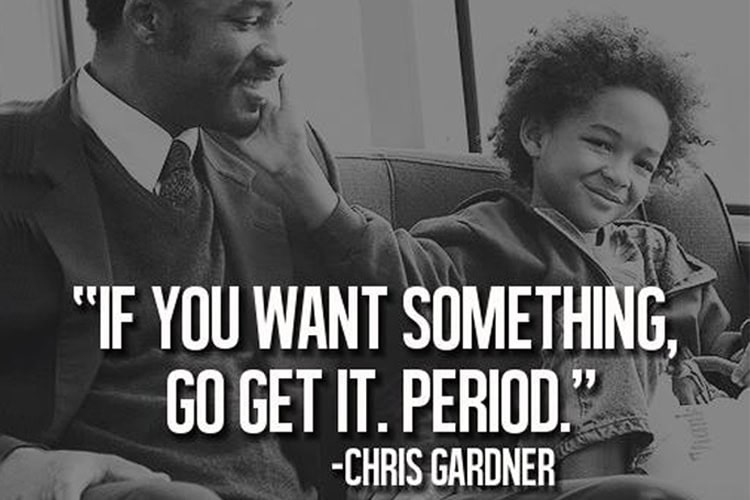
Does the name Chris Gardner ring any bells? 

Or perhaps a better icon would be Will Smith, the red carpet actor for his stellar portrayal in The Pursuit of Happyness – an autobiographical film of a man’s struggle as he tries to make his way in the world. He’s poor, struggles as a salesman for bone density scanners, and has spent his whole life being told he isn’t good enough. But before you read on, Warning – Spoilers Ahead (to the 2006 movie you should have watched)! The film ends on a happy note, with Chris winning the only coveted full-time position as a stockbroker at Dean Witter Reynolds; he eventually goes on to open his own million-dollar brokerage firm. Aside from a great story, this film urges me to explore the word: Resolve. How a man that seemingly comes from nothing, with no training and no development, claws his way to the top through sheer grit and resilience. The DISC Personality tool is one is used to understand and appreciate human behaviour. [Now pause at this point if you feel scepticism creeping in or a prompt to click on your little ‘x‘ icon, hear me out for a second.] This isn’t a read that justifies the validity of the instrument, nor a sales pitch in an attempt to convince you of people-reading prowess. Rather, an appreciation through the lens of a simple enough, yet profound tool I have applied and found useful. The Resolve of Chris Gardner We meet Chris as a man struggling as a door to door salesman without a steady income, who proceeds on to join a prestigious broking internship against all odds. For those that have watched the film, you would identify with the myriad of fleeting ups and frightening downs amidst his journey. Some examples include battling a hippy couple who steals his machine, getting evicted from his home because he was unable to pay rent, being locked up in jail for unpaid parking fines, and ending each day without any certainty of where he and his 5-year old son would sleep the night. Certainly, he is a man with unbreakable resolve. This brings me to explore further into the person the film has portrayed him to be, along with what makes him the man that persevered through it all. Referencing our data collected from top salespeople across industries, the majority comprises of the Dominant ‘D’ and Steady ‘S traits. These are individuals that demonstrate characteristics of being fiercely independent and are motivated intrinsically rather than from external sources. They do not quit easily and have the ability to “hang in there” for long periods of time (all of which stand true in Chris’ story). On top of this, PowerDISC (a measurement of Leadership Tendencies/Preferred Leadership Styles) identifies 1 of the 7 leadership elements as Persisting. This leadership behaviour describes how one is focused on an approach and will not be easily diverted or dissuaded. It is an element of perseverance that others would wish they had, an attitude to see a mission through to its end.  

High Persisting = ‘D + S’ Scores

We recently concluded a series of programmes for the largest financial institution in Asia. From our data, we observed that the majority of top leadership (C-suite executives) in the organisation has a blended personality style of the ‘D + S’ combination. We noticed these functional behaviours to work through problems that would sidetrack others, staying hawk-eyed on the end in mind. Another of our clients, which came out as 2019’s youngest Multi-Million Dollar Agency in Singapore has 5 out of 9 members of their leadership team possessing this same combination. 80% of salespeople in this team have ‘D’ or ‘S’ scores above the energy line in Graph 1 – an indication of moderate to high Persisting abilities based on their job requirements/environment. So how does this run parallel to the personality of Chris Gardner? Here are scenes from the film on how he demonstrated heightened ‘D’ and ‘S’ personality traits along with how we can do the same.

Die Hard Determination

In the scene where Chris attempts to apply for the brokering internship programme, it is clear how focused he was on achieving this goal. He couldn’t stand waiting for his application form to be processed and he knew he wouldn’t stand out via paper qualifications. Instead, we find the earnest protagonist waiting at the office lobby to personally hand his résumé to Jay Twistle, the hiring manager. Displaying a dogged determination on the bottom-line result and pushing oneself to ‘take action now’ will contribute greatly to building an unshakable resolve. Also as the saying goes, “Don’t wait for opportunity. Create it.”

No Excuses Attitude

Let’s recap the iconic interview scene. Chris spends the night before in jail for unpaid parking tickets. Upon release, he sprints straight for his interview at Dean Witters and shows up in his paint-splattered singlet and jeans (oh, did I not mention he was busy with a paint job right before his arrest in efforts to pay his rent?). He’s greeted with a panel of jaw-dropped interviewers who stares at him in disbelief as he attempts to explain why he showed up in this state. As Chris navigates through the air or awkwardness, the questions veer toward what sets him apart from other applicants. Now here’s where the magic happens. Chris’ answer demonstrates his humility and determination all at the same time. While he calls out his own white elephant of not having the paper qualifications other applicants possess, he vulnerably puts forth his best strength of determination and resoluteness. Above and beyond, he showed up for the opportunity when many folks might have seen an excuse to call in and beg to reschedule. Researcher and TED talk speaker Brené Brown mentions in her book Daring Greatly: “The willingness to show up changes us, It makes us a little braver each time.”

Pause to Reflect

It’s a Saturday and Chris brings his son, Christopher, out to play basketball who gets really into the game and scores a hoop despite his teeny built. Chris then goes ahead to shoot one for himself but when he misses, he tells his son how basketball would never be something he’d excel in. Hearing this, the disheartened little Christopher picks his ball up and proceeds to pack up. Realising his mistake, Chris immediately reflects, saying “Don’t ever let someone tell you, you can’t do something. Not even me. You got a dream, you got to protect it. (When) People can’t do something themselves, they want to tell you, you can’t do it. You want something, go get it. Period.” This powerful moment is a demonstration of the maturity of an ‘S’ style in terms of reflecting and catching oneself in moments of erring. In fact, intrapersonal intelligence (being introspective) is one of the top talents identified across highly successful entrepreneurs and salespeople. These individuals understand the Why behind their actions and frequently ask themselves “What could have been done better?” Through life, I’m sure many of us have found reasons to give up at some point or another, it is the easiest thing in the world to do. But to hold it together in these toughest moments even when everyone else would understand if you fell apart, that’s true strength. These three behaviours can represent the difference between individuals who show firm resolve versus those who crumble under adversity or challenge. Behaviours that we all can learn from. A calm and steady character plus a winners single-mindedness will build on your ability to “plan your work and work your plan”. There is surely a lot more to learn from Chris Gardner’s story.   

Knowing yourself is the foundation of becoming an effective leader. It helps you identify your preferred leadership dimension and foster better relationships with others. 

  Tools are available to help leaders with different personality style blends. PeopleKeys’ DISC Leadership Report is an excellent tool to use for leadership development and providing DISC understanding. 
Read More
Others

What Kind of Leader Are You?

Ever wondered what your behaviour says about your leadership style?

Today, DISC assessments are most frequently used in business and government organisations. It helps teams work more effectively together. Being aware of your leadership style and behavioural traits can help you communicate better with your team members. More importantly, it enhance motivation, boost morale and increasing overall productivity within the team. It also helps leaders become more effective in the interpersonal aspects of leadership.

Which DISC style are you most closely aligned with? 

  How do you manage the strong forces of the “dominant” and “influential” of leaders personalities? Knowing yourself is the foundation of becoming an effective leader. It helps you identify your preferred leadership dimension and foster better relationships with others.  Tools are available to help leaders with different personality style blends. PeopleKeys’ DISC Leadership Report is an excellent tool to use for leadership development. 

Read More
Others

Are Women Better Leaders?

A Study in Leadership: Women Do It Better Than Men

  “It is a well-known fact that women are underpresented at senior levels of management and the leadership styles largely vary between men and women. A research analysis conducted by Dr Jack Zenger and Joseph Folkman, 7,280 leaders revealed the truth about men and women leaders in the workplace. The dataset came from the most successful and progressive organisations in the world for both in public & private sectors. These datas are based on the 16 competencies of the Extraordinary Leader Assessment and derived from 360 evaluations of each leader leadership effectiveness, feedback of their leaders, peers, bosses and direct reports. A few findings are:
  • 64% are still men
  • The higher the level, the more men there are
  • 78% of top managers were men, 67% at the level below
  These data are based on the 16 competencies of the Extraordinary Leader Assessment and derived from 360 evaluations of each leader leadership effectiveness, feedback of their leaders, peers, bosses and direct reports. Although there were more males in the study, the results are rather clear and quite shocking. Women were rated higher in 12 out of 16 competencies. The higher the level, the wider that gap grows. (Image Credit: Zenger Folkman)  Men outscored women marginally on one management competence in this survey – the ability to develop a strategic perspective. Women have an advantage in important areas of interpersonal such as communications and people relationship. The research study by Zenger and Folkman seemed to demonstrate strongly that women are seen as better leaders than men by those around them. There are also other studies indicating that companies that have a higher representation of women in management ranks are more profitable and have higher employee productivity. So, what does this mean for women in the workplace? The research findings are quite telling, and the data suggests that by including more competent women leaders the overall effectiveness of the team would go up. “Organizations go outside to recruit effective leaders when in many cases they may well have internal people who could rise to fill the position that is vacant.” Joe Folkman added. 
Read More
Others

Are we psychologically and mentally prepared to cope with the COVID-19?

China is grappling with an outbreak of infections from a new coronavirus that emerged in December. Hubei province, ground zero of the novel coronavirus outbreak reported a record spike in deaths on Thursday. This is the largest single-day rise since the epidemic began. 


Health officials in China has reported more than 14,840 new cases in Hebei Province alone, bringing the province a total to 48,206. This brings the total number to more than 1,300 people globally, as experts warned the epidemic could “create havoc” in less prepared countries.


The death toll in Hubei rose by 242 to 1,363 now.  

  (Image Credit: Caixing Global, Compiled by Guo Ying Zhe) 

There are growing concern over the well-being of healthcare workers or the frontline as the number of the infection rises above 130,000. Many people are mentally affected by the epidemic to talk to psychologists or psychiatrists.


What can we do and how can we take responsibility?

Apart from wearing a mask in crowded places, washing your hands or using hand sanitiser, what can we do to stay healthy and calm? Especially so in the midst of a coronavirus outbreak?

 
  • SUPPLEMENT, SLEEP WELL AND MAINTAIN GOOD HYGIENE

Clinical Dietitian Joyce with 10 years of working experience in the healthcare line. She provides nutrition counselling to clients with chronic health issues such as diabetes, heart disease as well as conduct talks on healthy eating.


The best supplements should do is to supplement the diet. If your lifestyle or priorities make it hard for you to get all the nutrition you need through foods, supplementation may help. Taking vitamin C, vitamin D and zinc can also help to decrease the risk of catching viruses. It can significantly decrease the severity of it if you do. 


Ensure you get enough sleep as it critical for the healing rejuvenation of your body. If the body is in a constant state of stress it can inhibit some of the immune functions. 

 
  • STAY FIT, KEEP MOVING

Viruses tend to affect people who are weaker. If you are fit and training, your body is stronger and better able to fight a virus.


International Marathon Runner and Coaching Fitness Liew Wei Yong urges client to adopt discipline and consistency when it comes to training and fitness. No matter how busy they are. Liew Wei Yong, guest speaker in Stress Management Certification offer advice on critical topics like cross-training, rest days, nutrition, hydration and monitoring vital signs like heart rate.

 
  • ACKNOWLEDGE FEAR, DON’T PANIC! 

After Singapore Authorities raised DORSCONS level to Orange, many flocked to supermarkets, wiping out basic supplies. Shelves are starting to go empty, people are just climbing on ladders to grab whatever they can.

  Image Credit: TODAY Online

Rather, seeing everyone wearing a mask can lead to stress and anxiety. Anxiety is a feeling of fear, worry, or unease. It can be a reaction to stress, or it can occur in people who are unable to identify significant stressors in their life.


As a result, people who have stress and anxiety over long periods of time may experience negative related health outcomes. If you feel like your stress and anxiety are becoming unmanageable, seek professional help.

Similarly, we also recommend you to join us in our stress management workshops/certifications to help you to manage stress and find the support you need. 

Read More
Others

Top 3 Best and Worst Critiques Ever Receive From A Boss

Leaders have a tremendous influence on their direct reports, and one of the key critical areas every successful leader should know is being able to give both redirecting and reinforcing feedback. 


Clearly, all feedback – and especially negative feedback, when handled appropriately, is critical to success. However, delivery is vital (as every marriage partner can surely attest!) Directness is welcome, but personal attacks, temper, bullying, and belittling is never successful, even (and especially) when under the guise of “for your own good.”

When your motive is to help people improve, the way you deliver the critical message is key.

Top 3 Worst Critiques

1. It’s obvious from your question that you don’t understand anything about this issue!

This boss is straight to judge before finding out the root of issues. Most people hearing this feedback will immediately want to prove that they are not totally ignorant. In actual fact, asking questions is an excellent way to learn.

2. You always or never ____________!

Once again this is a clear overestimate. While the person giving the critique is trying hard to get you to understand the importance of the issue, rather than accepting the feedback, the recipient will most often expend their energy in proving that the “always” or “never” is not true.

3. Look, I am your boss, just do what I say and you will be fine!

This is like giving a credit card to a teenager and saying, “don’t spend too much.” No one else can (or should) presume they are able to manage your career for you.

Top 3 Best Critiques

1. Help me to understand.  

Rather than assuming, ask people why they acted in a particular way. Let the receiver knows that you try your best to understand the situation in every way you can.

2. I realize you have a lot on your plate, but this needs to be your number one priority.

Helping people to prioritize is a critical skill to get your message across without being too bossy.

3. I noticed your efforts to do ___________.

That’s a good start, but you did not hit the target yet. Instead of telling people they failed, is a very good start to let your employees know that they need to work harder.

In summary, feedback is vital. Critical feedback, in particular, is both necessary and appropriate. When your motive is to help people improve, however, the way you deliver the critical message is key.

Elevating Feedback – leadership workshop is a practical and insightful 1-day workshop that will help you to communicate at a deeper level in conversations, providing tips techniques to deliver better outcomes when giving both redirecting and reinforcing feedback. You will be introduced to a framework for structuring your conversations and discover what is at stake for both parties.

Read More